At VivaTech, Interstellar Lab announces the expansion of Mission Little Prince, carried out in partnership with the Antoine de Saint Exupéry Youth Foundation. This initiative aims to bring the Little Prince’s iconic rose beyond Earth: first into orbit, then to the Moon, before paving the way for future missions to Mars.
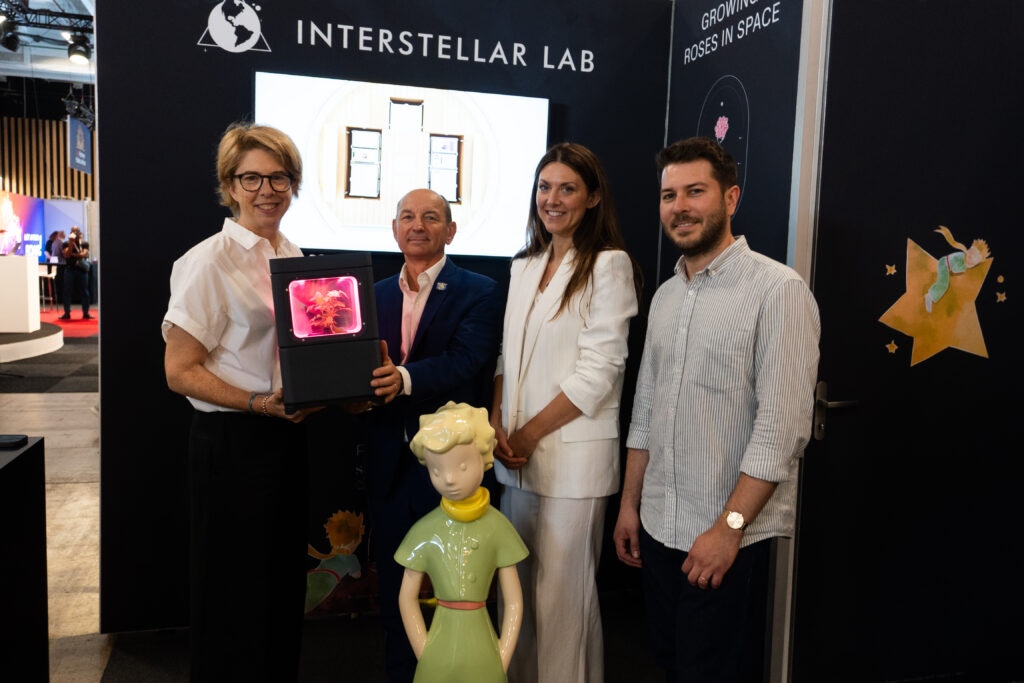
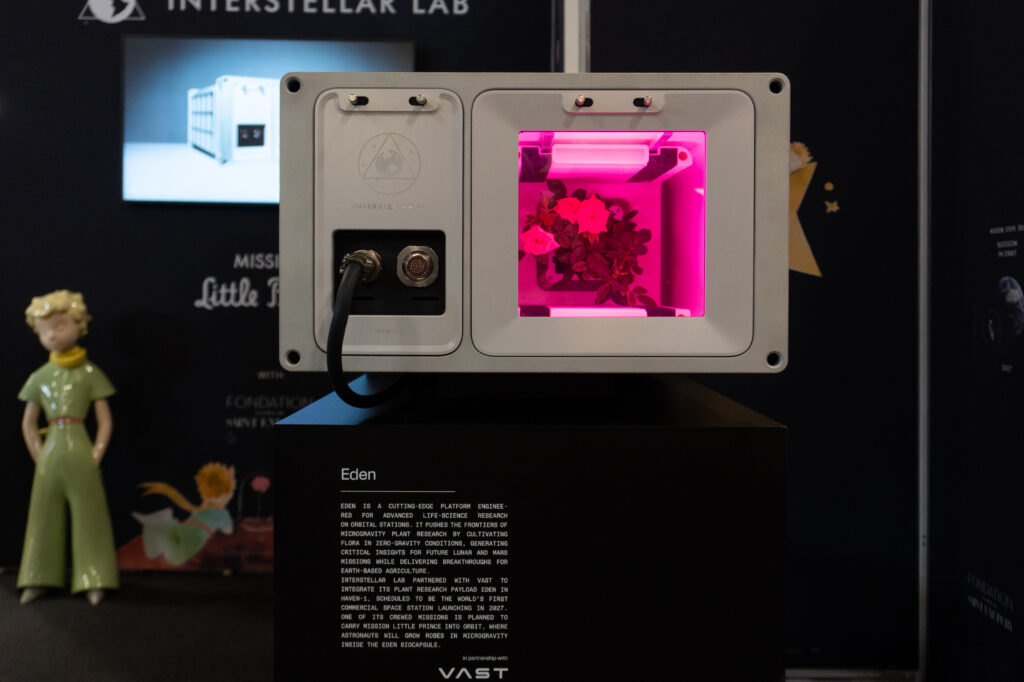
The Little Prince’s rose will bloom for the first time in orbit aboard Vast’s Haven-1 space station in 2027, thanks to Eden, the autonomous plant growth chamber developed by Interstellar Lab. Controlled by artificial intelligence, Eden will automatically adjust growing conditions and enable the study of the impact of microgravity on plant growth.
In 2028, Mission Little Prince will continue its journey to the lunar surface with Bloom, an autonomous lunar BioPod deployed at the Moon’s South Pole aboard Astrolab’s FLEX rover. This mission will generate the first lunar surface dataset on plant physiology, phenotypic response, and growth dynamics, using Mission Little Prince roses and reference plants.
These milestones establish the foundation for future Mars greenhouse platforms developed by Interstellar Lab. They will contribute to advancing bioregenerative life support technologies needed for future crewed missions and a sustainable human presence beyond Earth.
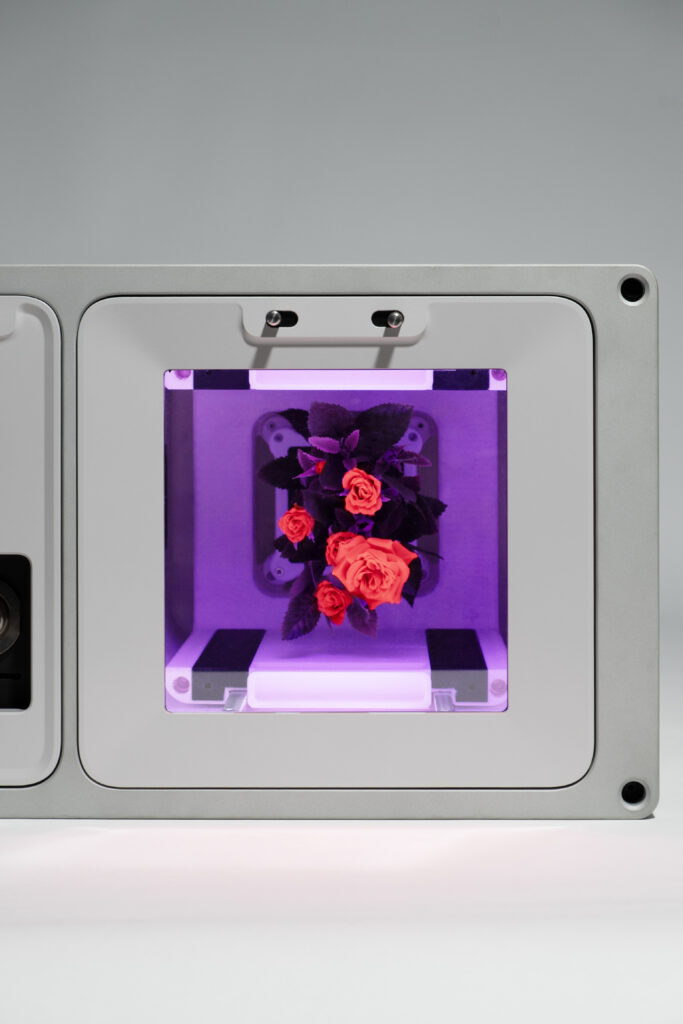
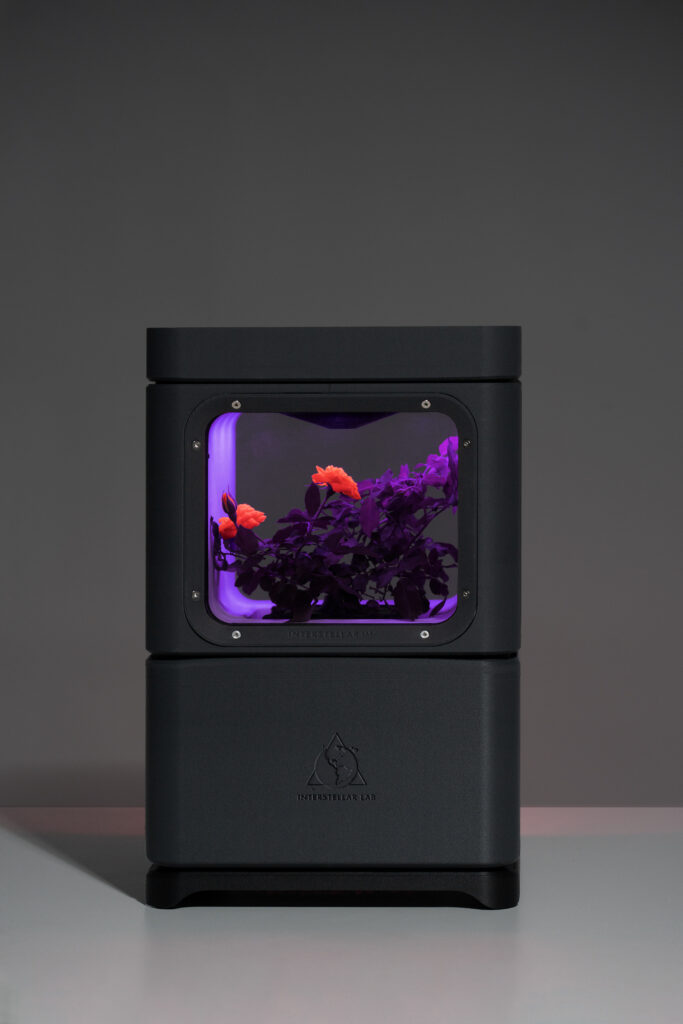
During VivaTech, Interstellar Lab is also showcasing its Eden and Bloom greenhouse systems, demonstrating how these autonomous platforms are paving the way for the expansion of life beyond Earth.